Jesus Is Lord | Family-Owned Since 1969

Engineered Septic Systems in Birmingham, AL

Custom-designed septic systems for difficult lots, tight soils, and high water tables across Jefferson County

When a standard drain field will not pass, an engineered septic system designed for your soil and site keeps your property buildable and your wastewater handled safely.

What an Engineered Septic System Is and When You Need One

An engineered septic system is a wastewater system designed by a licensed engineer or designer for a specific piece of property. Instead of a conventional gravity drain field, the design uses pumps, dosing chambers, specialty media, or raised sand beds to treat and disperse effluent where the native soil cannot do the job alone.

Around Birmingham, that situation is common. Much of Jefferson County sits on tight red clay, shallow bedrock, and steep hillsides, and properties near creeks and along the Locust Fork often have a seasonal high water table. A soil scientist’s report and a health department percolation test tell us what the ground can actually absorb.

As a licensed septic contractor with a Level 2 septic license and master plumber certification, Brookside Septic Tank Service handles the whole process: site evaluation, coordination with the design and permitting steps, and the septic system installation itself. We have been doing this work in Central Alabama since 1969.

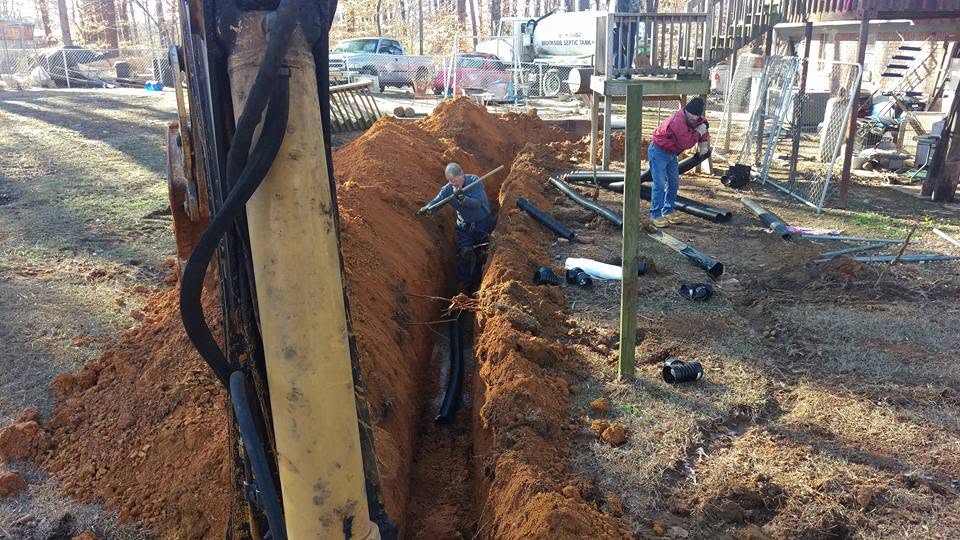
Two workers install black corrugated septic pipe in a red clay trench beside a backhoe in a residential backyard.

Signs Your Property Calls for an Engineered Design

Not every lot needs an engineered system, and we will tell you plainly if a conventional field will work. These are the conditions that usually push a project toward a custom design.

Failed or restricted perc test showing slow absorption in heavy clay soils

Shallow bedrock or a limited soil depth above rock, common on ridge lots and hillside builds

Seasonal high groundwater on bottomland near creeks, rivers, and low-lying pasture

Small or oddly shaped lots without room for a full-size conventional drain field

Steep slopes that require pressure dosing to distribute effluent evenly

A failing existing system where a repair or replacement must meet current ADPH standards

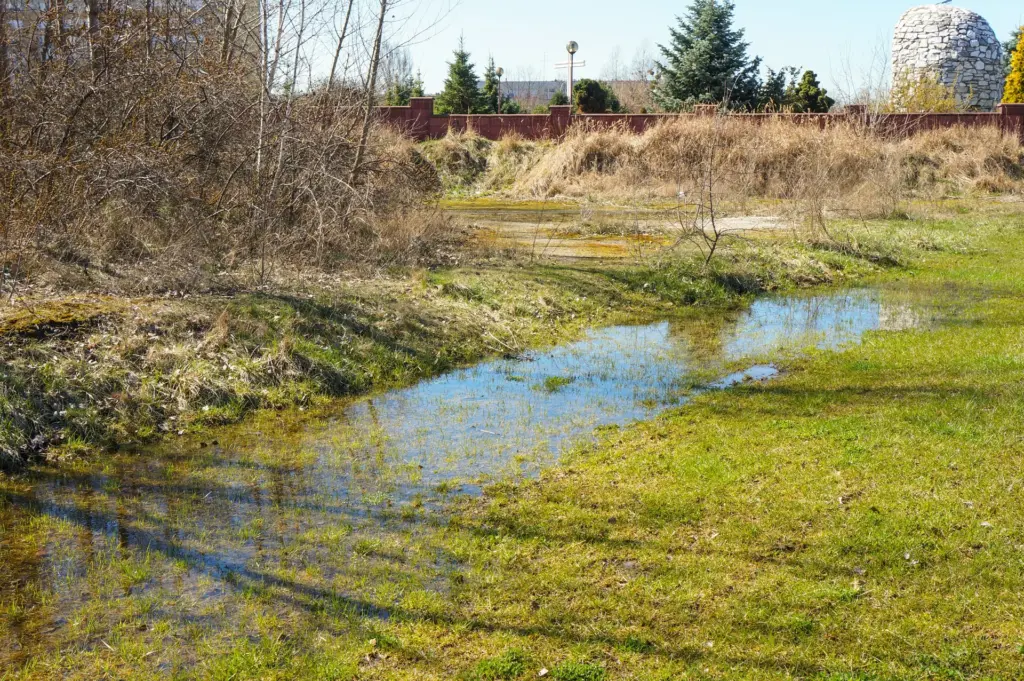
Standing water pooled across a grassy lawn beside dry brush and a red fence, with a stone structure in the background
Common solutions include Eljen systems using geotextile treatment modules, low pressure mound systems, and Wisconsin mound systems that build an elevated sand bed above the native soil. Each one has a place, and the soil report drives the choice.

How We Design and Install Engineered Septic Systems

1
Site Visit and Septic Diagnostics
We inspect the property, locate any existing tank or field lines, and check slope, drainage, setbacks from wells and structures, and available space. If there is a failing system, we run full septic inspection and diagnostics before recommending replacement.
2
Soil Evaluation and System Design
A soil scientist evaluates the ground and a design is prepared to match it, whether that is an Eljen field, a low pressure mound, or a Wisconsin mound. The design sets tank size, pump requirements, and dispersal area based on bedroom count or projected daily flow.
3
Permitting and Installation
We handle the permit process with the Jefferson County Health Department and schedule the build. Our crew sets the tank, pump chamber, control panel, and dispersal field, then places sand and media to the exact specifications on the approved plan.
4
Final Inspection and Owner Walkthrough
The system is inspected and approved before backfill and final grading. We then walk you through pump alarms, access lids, and the maintenance schedule so you know how to keep the system clean and working properly for the long haul.
Every engineered project starts with information, not a guess. We walk the property, review what the soil report says, and lay out a system that fits the lot, the home size, and the county requirements.

Why Birmingham Property Owners Trust Brookside With Engineered Systems

Engineered systems have moving parts, tighter tolerances, and less room for error than a basic gravity field. The install quality decides whether that system lasts twenty-five years or fails in five.

We build them the way we would want one built on our own land, and we are still here to service what we install.
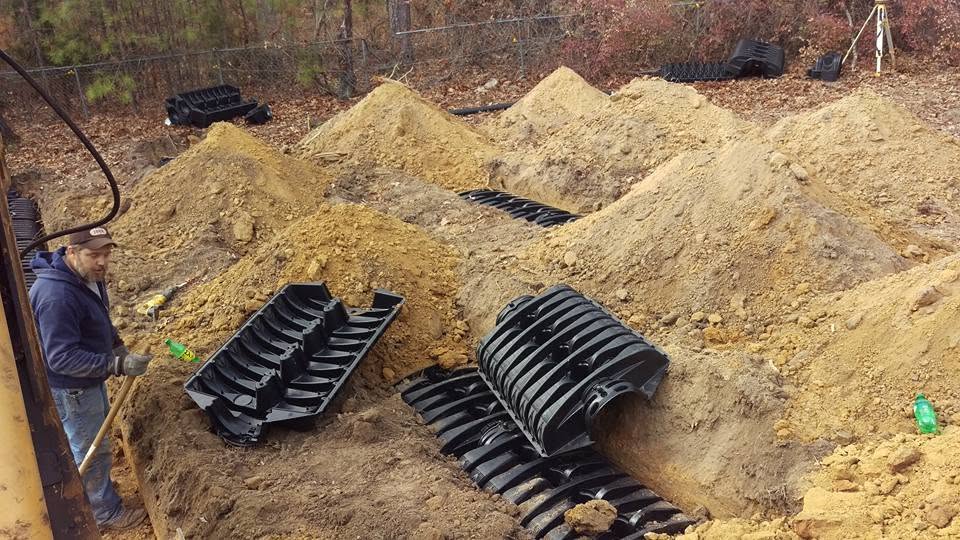
Worker with a shovel beside parallel trenches holding black plastic septic chambers on an excavated wooded lot.

Engineered Septic System Questions We Hear Often

Straight answers to the questions Birmingham-area homeowners and builders ask before starting a project.

How much more does an engineered septic system cost than a conventional one?

Does an engineered system need more maintenance?

Can an engineered system replace my failed drain field?

How long does the permitting and installation process take?
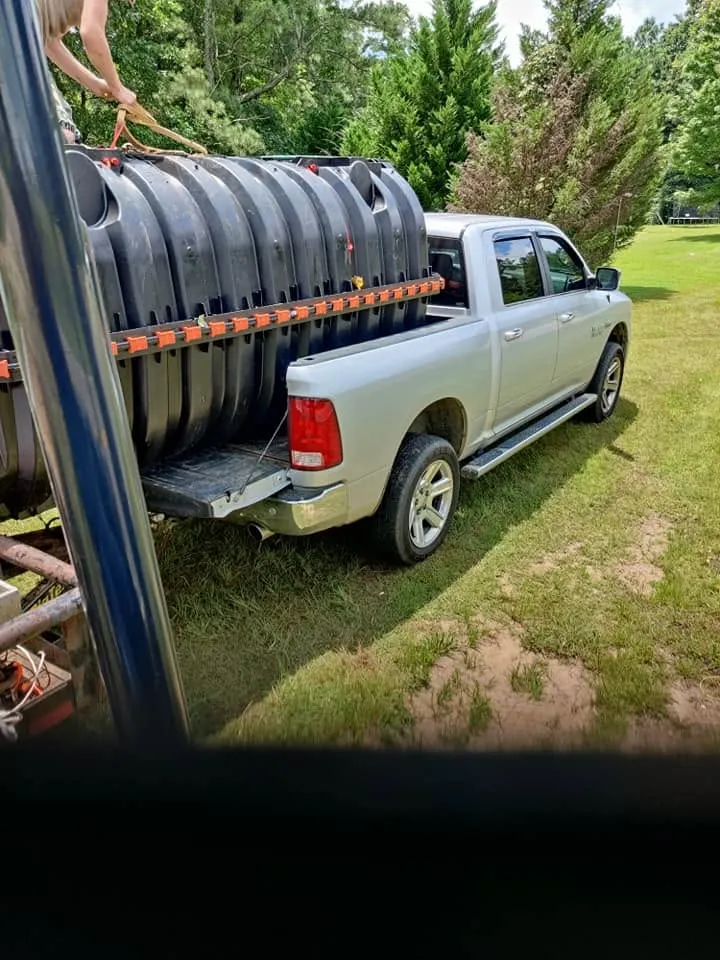
Stacked black plastic drain field chambers strapped into the bed of a silver pickup truck parked on grass.

Other Septic System Options for Hard-to-Serve Lots

Engineered designs are one of three system types we build for Birmingham-area properties where a conventional gravity field will not pass. Compare the options below or start at the main septic tank systems page.

What Customers Say About Our Engineered System Work

Get a Straight Answer on Your Difficult Lot

If a perc test came back poor, a builder told you the site will not support a standard field, or an older system keeps surfacing, bring us the details. We will look at the property, review the soil information, and tell you honestly which engineered septic system fits and what it will take to get it permitted and installed.