Jesus Is Lord | Family-Owned Since 1969

Wisconsin Mound Systems in Birmingham, AL

Low pressure mound systems designed, installed, and serviced for shallow soils and rocky ground across Jefferson County

When there is not enough usable soil below the surface, a Wisconsin mound system builds the treatment area above it so your property can still support a safe, permitted septic system.

What a Wisconsin Mound Septic System Does on Tough Alabama Ground

A Wisconsin mound system is an above-grade drain field. Sand fill and gravel are placed on top of the natural ground, and treated effluent is pumped up into that sand bed through small pressure laterals. The sand does the filtering work that shallow native soil cannot do on its own.

Around Birmingham, this matters. Plenty of lots in Brookside, Gardendale, and the ridges north of Fultondale sit on thin topsoil over sandstone or shale, and low spots near the Locust Fork and Village Creek drainages hold water long after a heavy spring rain. Both conditions fail a conventional drain field.

Brookside Septic Tank Service has worked these hillsides and hollows since 1969. As a master plumber certified, licensed and bonded septic contractor holding a Level 2 septic license, we handle the soil review, the design coordination, the installation, and the long-term septic tank maintenance that keeps a mound working.

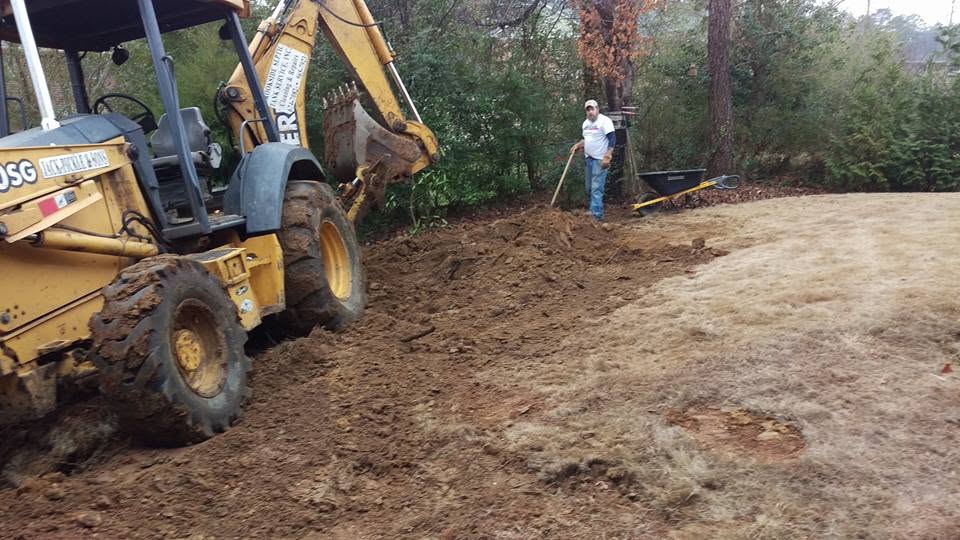
Yellow backhoe grading dirt in a wooded backyard while a worker rakes soil beside a wheelbarrow

Signs Your Property May Need a Low Pressure Mound System

Mound systems are usually recommended after a soil evaluation shows limited vertical separation between the trench bottom and a restrictive layer. A septic system inspection on an existing property can point the same direction when a conventional field keeps failing.

Shallow bedrock with less than the required depth of usable soil above it

A seasonal high water table that keeps the lower yard saturated for weeks

Tight red clay with a slow percolation rate that will not accept effluent

A failed conventional drain field where a like-for-like replacement will not be permitted

Sloping or filled lots where the best soil sits in a thin band near the surface

Health department requirements calling for an engineered or alternative system on your permit

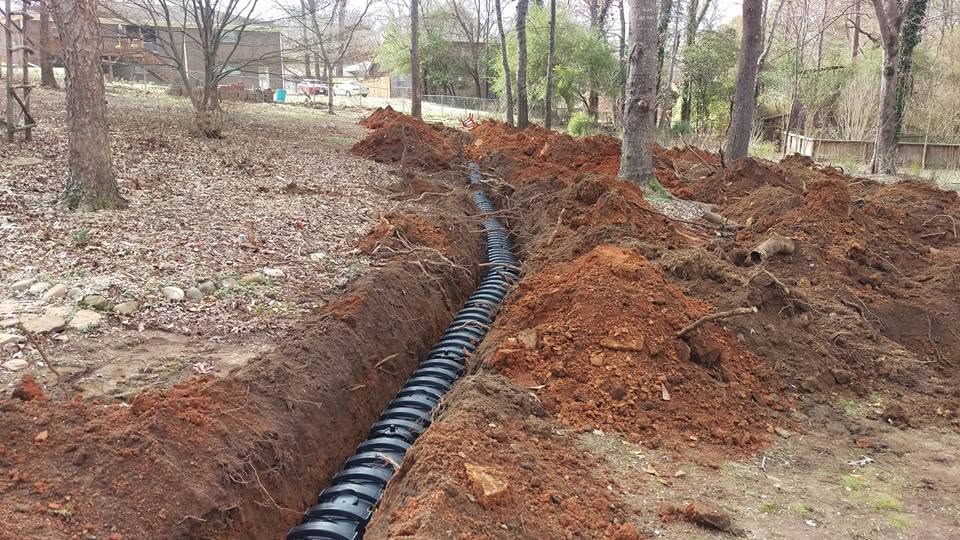
Long open trench with black corrugated septic pipe running through a wooded residential yard with red clay soil.
Health department requirements calling for an engineered or alternative system on your permit

How We Install a Wisconsin Mound System

1
Soil evaluation and site layout
We walk the property, review the soil report, and mark the mound location, the tank set, and the pump line route. Setbacks from wells, property lines, and drainage ways are confirmed before anything is dug.
2
Design approval and permitting
The engineered design sets the sand depth, basal area, lateral spacing, orifice size, and pump requirements. We submit the plan, handle the health department review, and get the permit in hand before installation begins.
3
Tank, pump chamber, and mound construction
We set the septic tank and dosing chamber, plow or chisel the mound footprint to keep the soil open, then place the sand fill, gravel bed, and pressure laterals to spec. The mound is covered with topsoil, shaped, and seeded to shed rainwater.
4
Startup, inspection, and homeowner walkthrough
We test the pump, check squirt height at every lateral, and confirm even dosing across the bed. After the final inspection passes, we show you the control panel, the cleanouts, and the pumping schedule your system needs.
Every mound install starts with facts about your soil, not a guess. We coordinate with the soil scientist and the Jefferson County Department of Public Health so the design matches what is actually under your yard. Here is how the work moves from evaluation to a finished, inspected system.

Why Homeowners Trust Brookside With Mound System Work

A mound is only as good as the crew that built it. Sand placed in wet conditions, a smeared basal area, or an undersized pump will shorten the life of the whole system.

We have installed and repaired alternative systems on Jefferson County property for decades, and we service what we install.
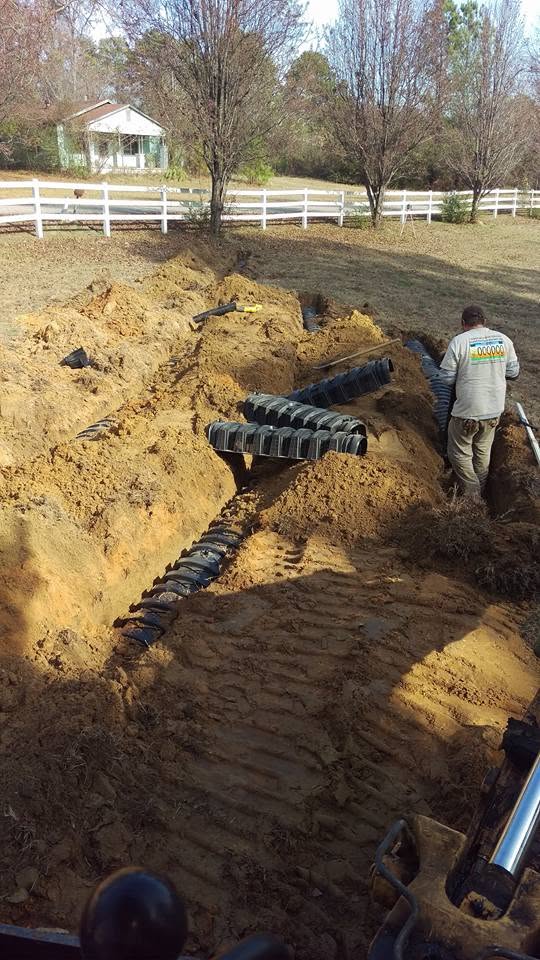
Worker placing plastic infiltrator chambers in excavated drain field trenches at a rural home with a white rail fence.

Common Questions About Wisconsin Mound Systems

Mounds work differently from a gravity drain field, so most questions are about upkeep, cost, and daily use.

How is a mound system different from a conventional drain field?

How often does a Wisconsin mound system need pumping?

Can I plant grass or drive over the mound?

What happens if the pump fails?
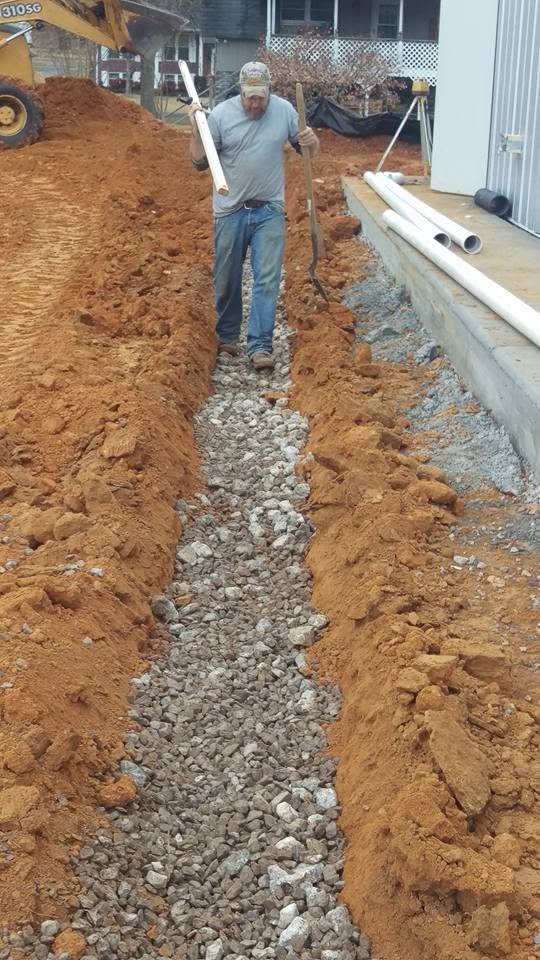
Worker carrying PVC pipe and shovel walks along a gravel-lined septic drain field trench cut into red clay soil.

Related Septic Tank System Options in Central Alabama

A Wisconsin mound is one of several ways to make a difficult lot work. If your soil report points a different direction, these are the other system types we design and install.

What Property Owners Say About Our Mound System Work

Ready to Find Out if a Mound System Fits Your Lot

If a perc test came back poor, a permit calls for an alternative system, or your old field keeps surfacing after a rain, we can tell you what your soil will actually support. Bring us the soil report or let us start from scratch, and we will walk the lot with you and give you a straight answer on a Wisconsin mound system for your Birmingham-area property.